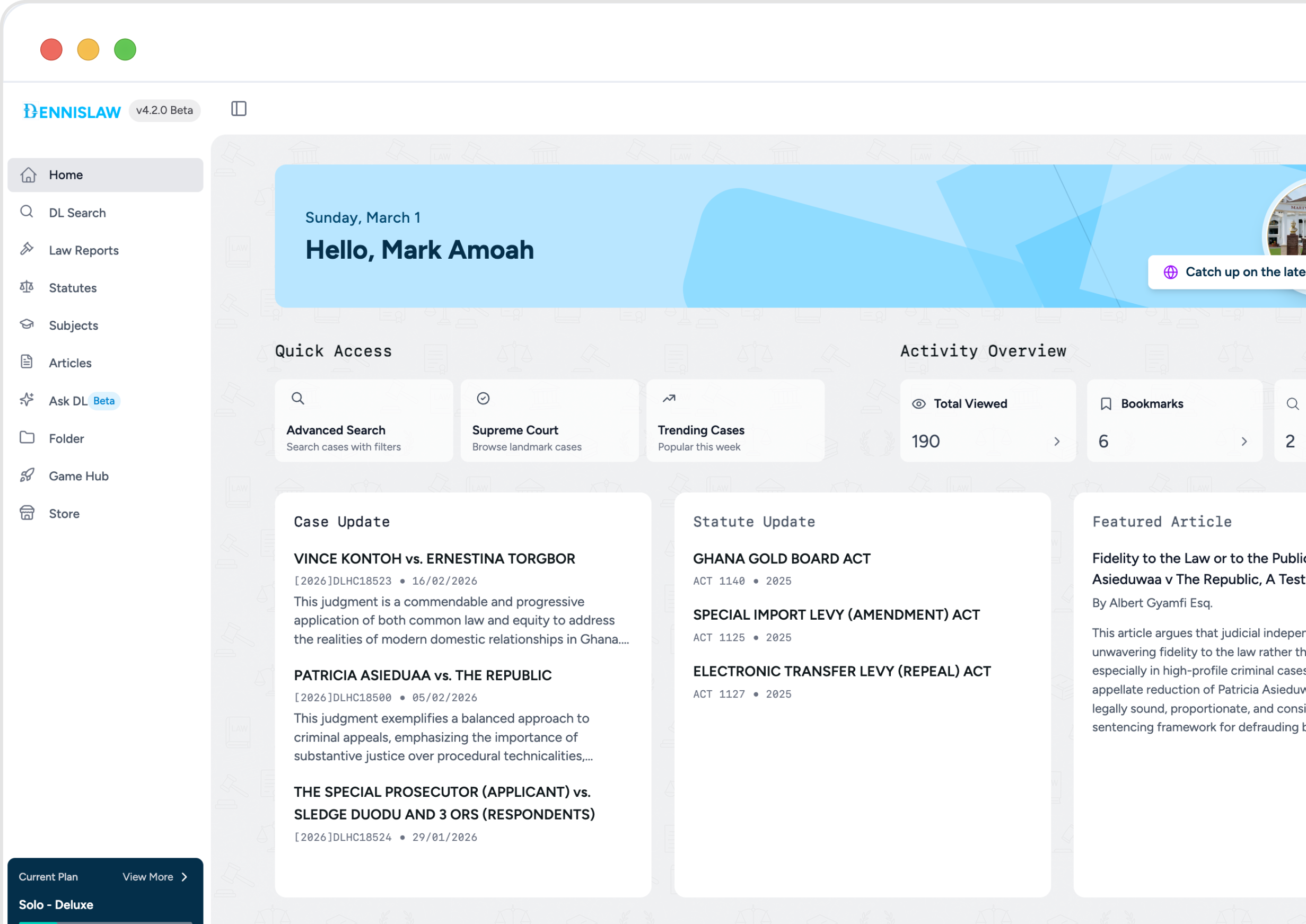
A Complete Legal Research Hub
Search and study case law, statutes, legal principles, articles, and more, built for students, legal professionals and institutions across Ghana.
Trusted by leading legal professionals





Latest Legal Insights
Read all articles
Lawyers
Natural Resources, The Environment and the Constitutional Review Committee’s Recommendations: Why Government Should Reconsider Its Position
The article critiques the Government of Ghana’s rejection of proposed constitutional reforms on natural resource governance and environmental protection. It advocates stronger constitutional safeguards for public trusteeship, sustainability, intergenerational equity, community benefits, and environmental rights.
October 22, 2026

Judges
Evaluation of the Efficacy of the Corporate Insolvency and Restructuring Act 2020 (Act 1015) of Ghana: A Comparative Analysis with the Insolvency Legal Framework of the United Kingdom (Part I)
The article examines Ghana’s Corporate Insolvency and Restructuring Act, 2020 (Act 1015), comparing its corporate rescue and insolvency mechanisms with those of the United Kingdom. It highlights Ghana’s progress towards a rescue-oriented framework while identifying gaps in restructuring flexibility, judicial specialization and institutional capacity.
October 15, 2026

Judges
When the Machine Knows the Law: Artificial Intelligence, Superintelligence and the Future of Lawyers and Judges in Ghana
This article examines how artificial intelligence could transform Ghana’s legal profession and judiciary, particularly legal practice, employment, judicial decision-making and access to justice. It advocates responsible AI integration while preserving judicial independence, professional accountability and human control over judicial decisions.
October 8, 2026
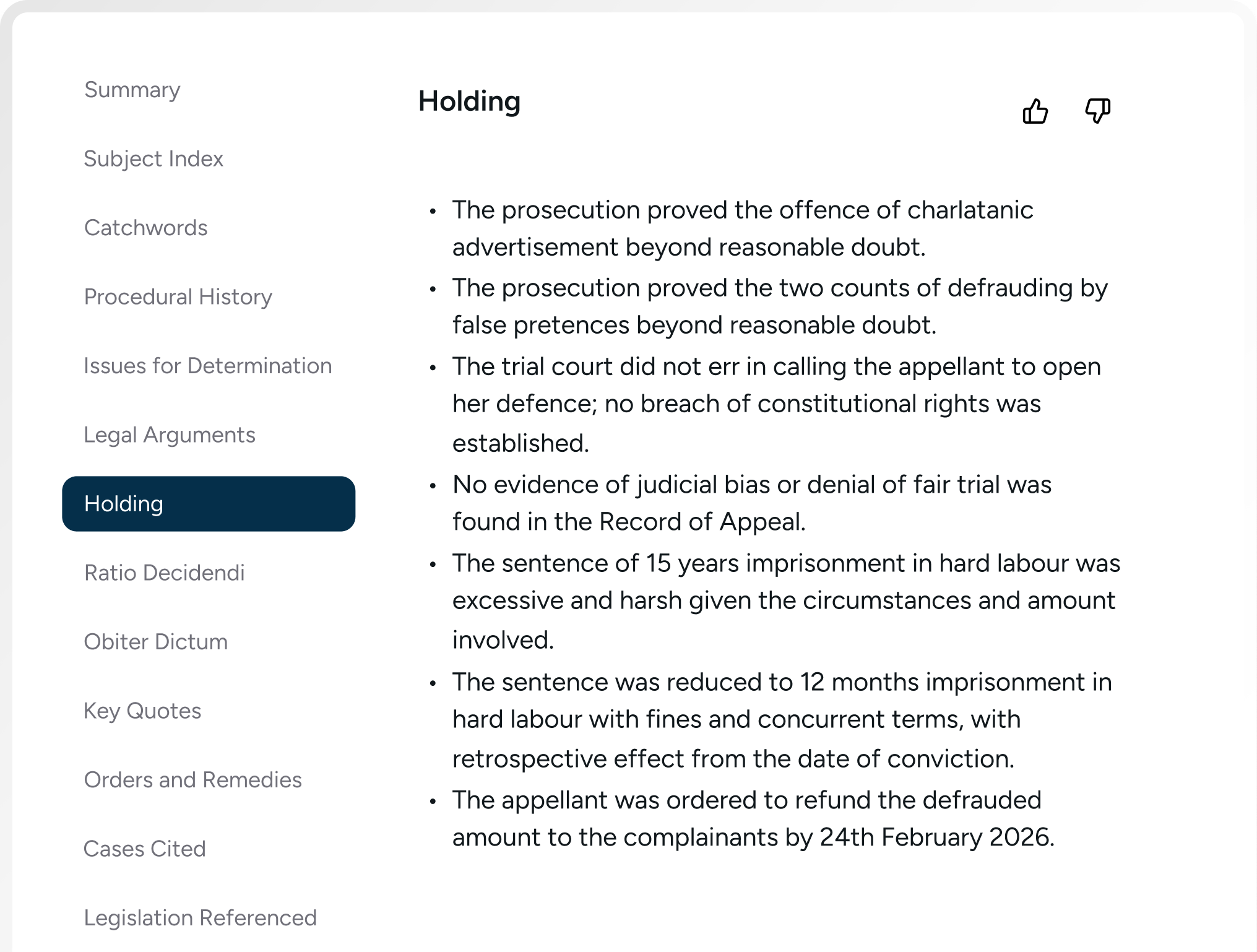
Every Case, BROKEN DOWN FOR YOU
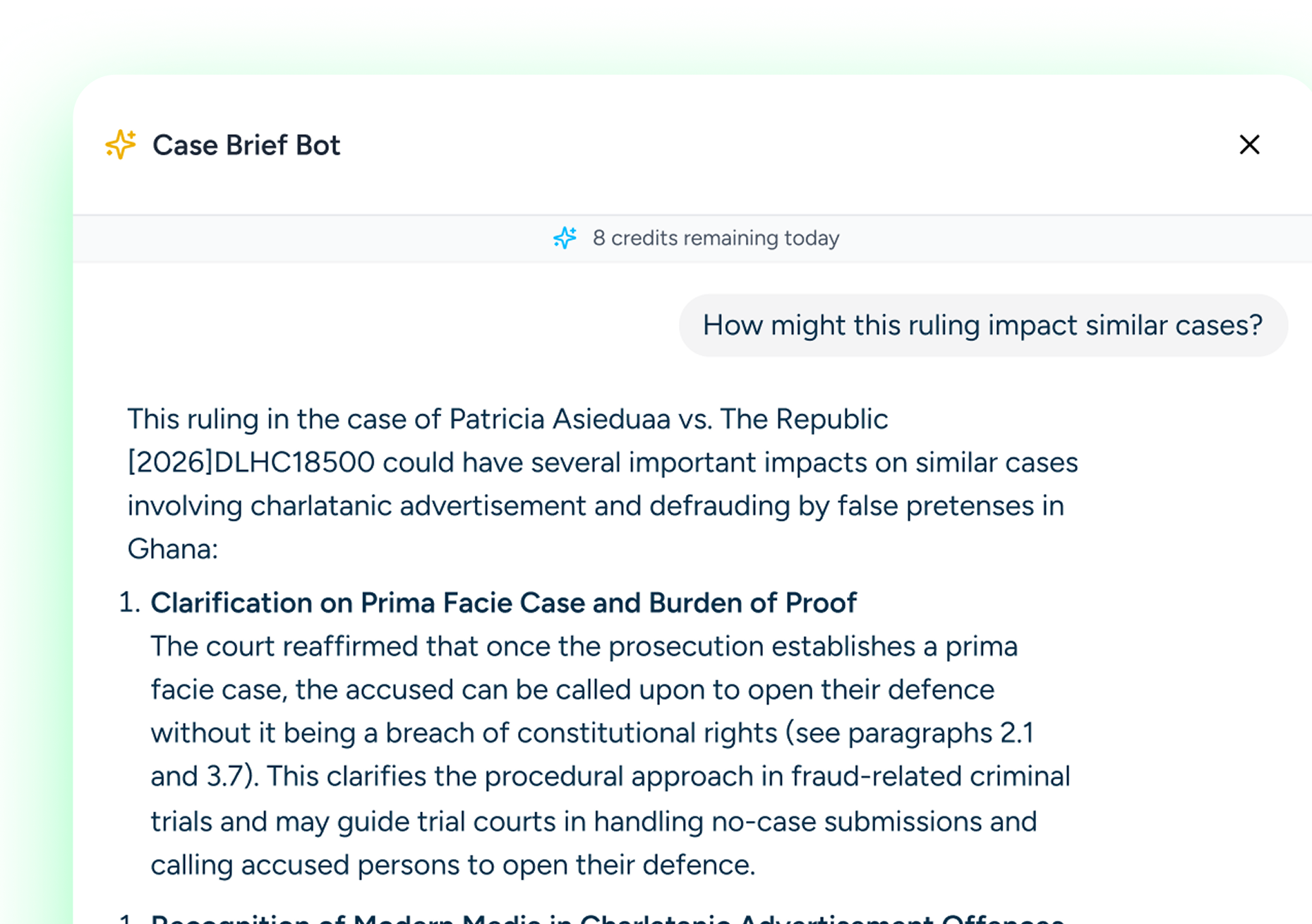
Get instant AI-generated summaries, key holdings, and in-depth analysis of any Ghanaian court case. From full case text to structured insights, everything you need to understand a case is just a click away.
Structure That Adapts
to Your Thinking
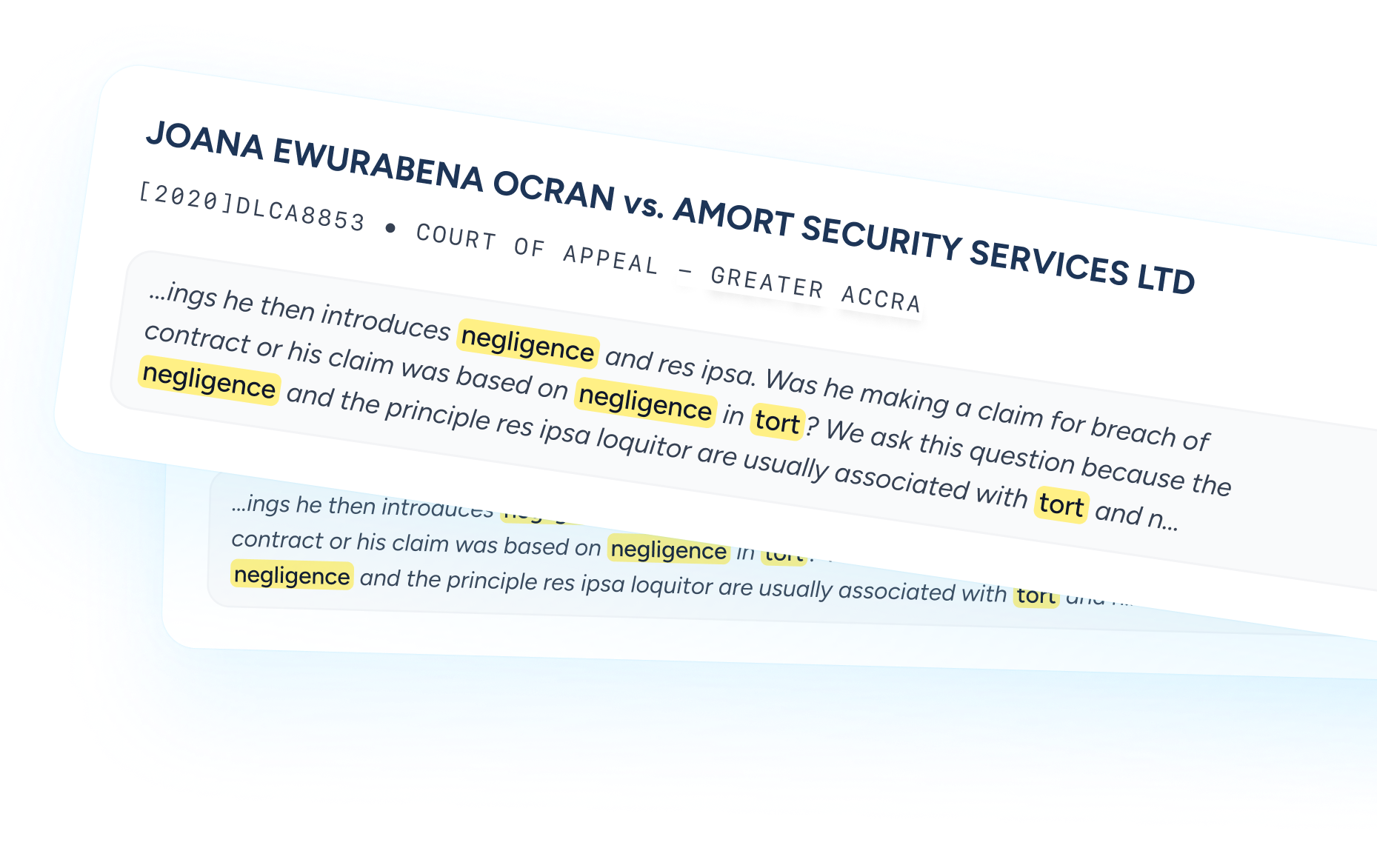
Search decades of Ghanaian jurisprudence in one searchable database.
With instant results
Intelligent
Research Tools
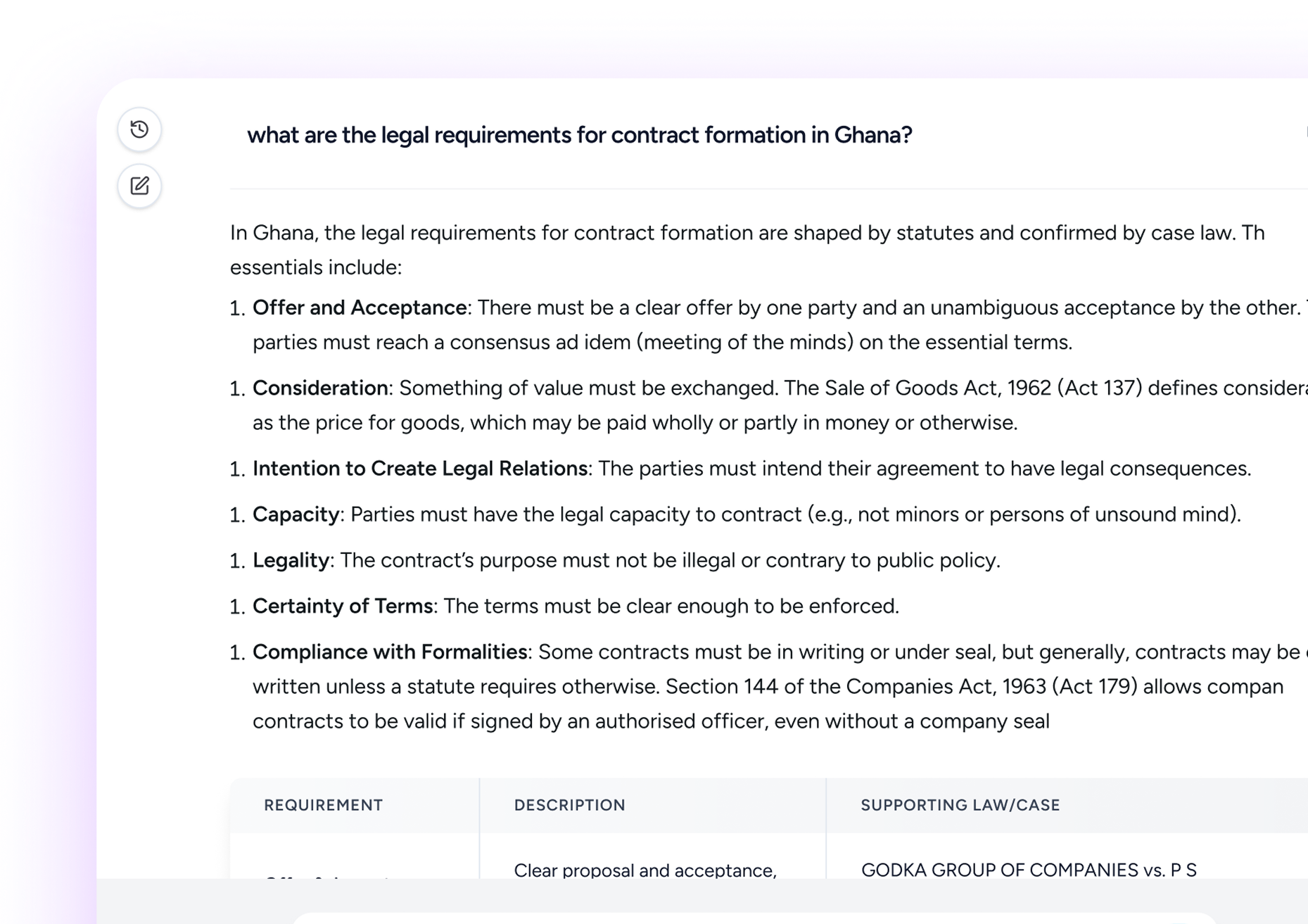
Ask Questions About A
Case
Most Recent Cases
& Statutes
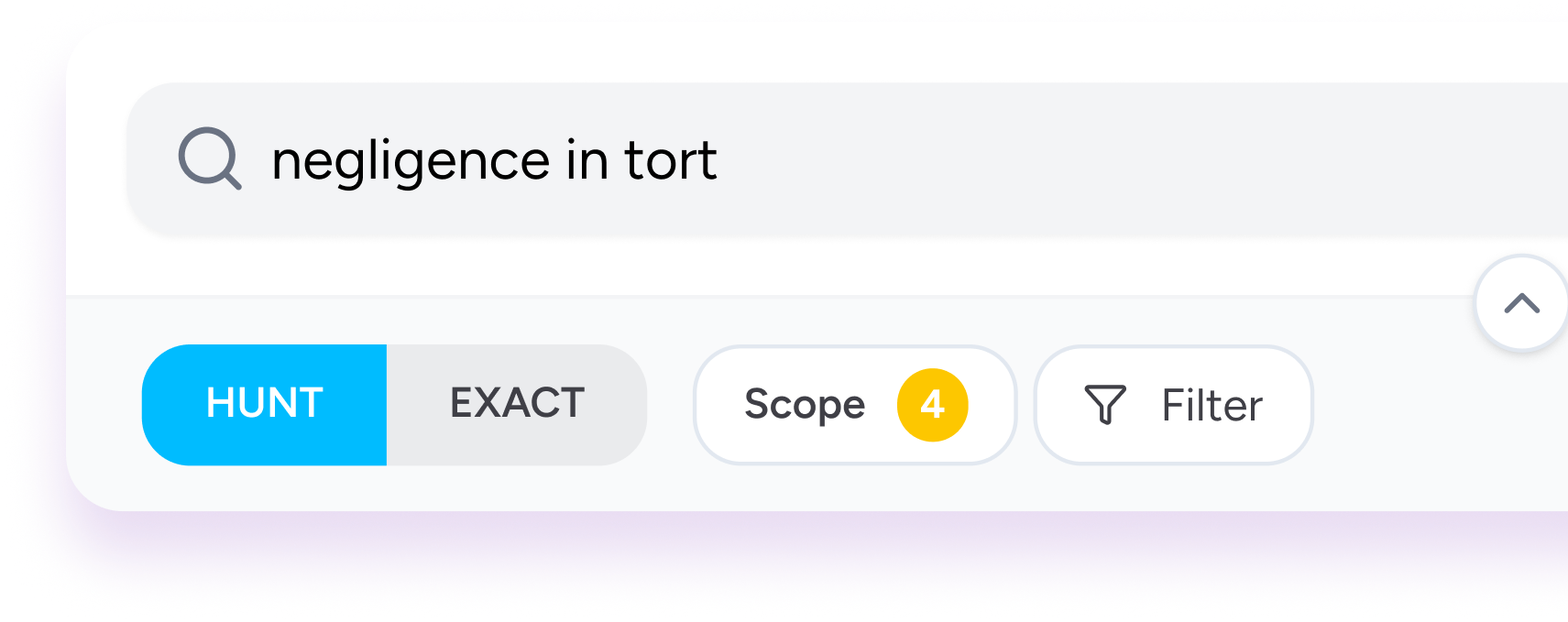
Search
Resources
Smart
Research
Legal
Intelligence

Continuously updated Ghanaian cases, statutes, and commentary. Curated for accuracy.
Local
Context
Purpose-built for Ghana. Context-aware results you can rely on.
Key
Authorities
Find leading and binding precedents fast. Prioritized by relevance.
AI
Research
Ask questions, extract principles, and draft faster with AI.
Frequently
Asked Questions
Which pricing plan is right for me?
How does our pricing work?
What if I change my mind?
Do you offer any discounted plans?
What payment methods do you accept?
Does Dennislaw offer plans to nonprofits and NGOs?
How can I manage my billing?
Can I change my plan?
Your legal research, reimagined.
Search decades of Ghanaian jurisprudence in one searchable database.